BIZI study visit
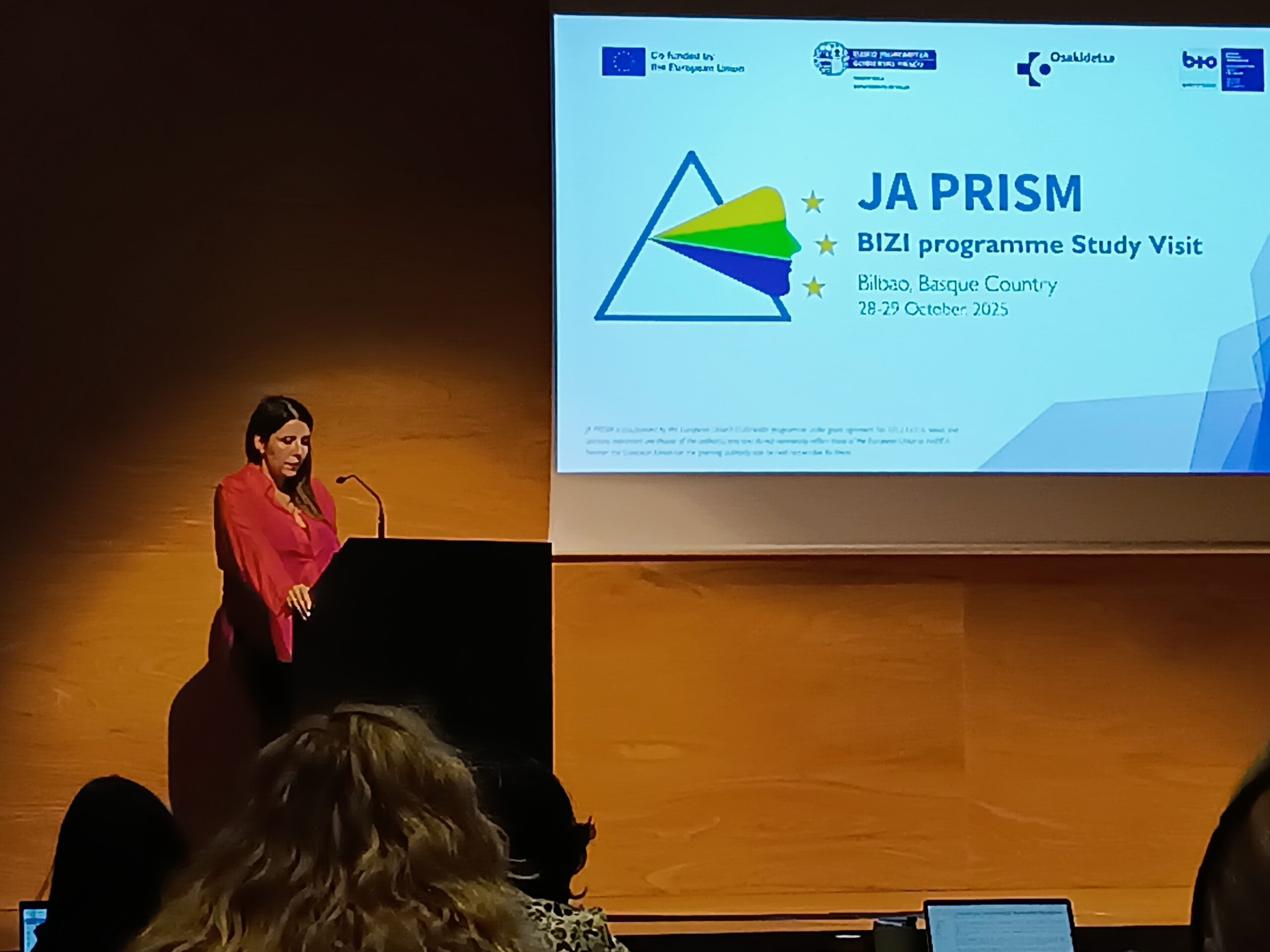
October 28 marked a key milestone for JA PRISM: the BIZI study visit
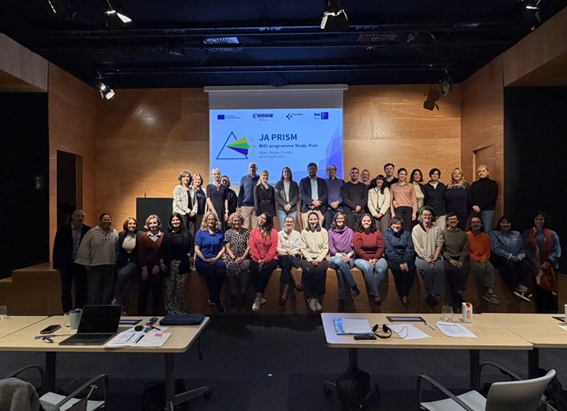
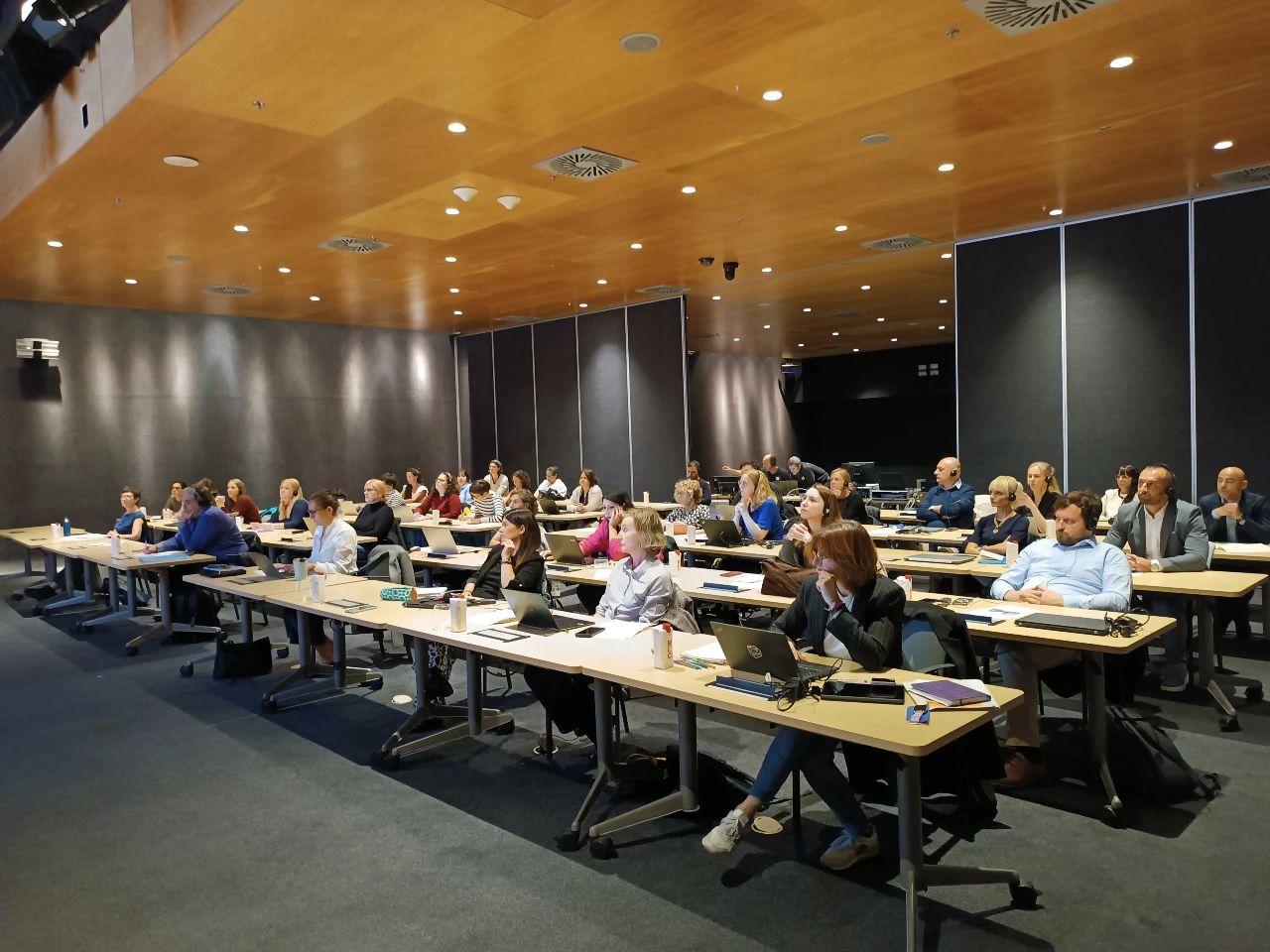
On October 28 and 29 the Bilbao Exhibition Centre (BEC) was the venue for the first study visit of the project, dedicated to the BIZI programme (WP5). Coordinated by Biosistemak, this event brought together more than 30 participants (with 47 people connected online) to discuss one of the three good practices being transferred within the framework of the project, in this case focusing on suicide prevention.
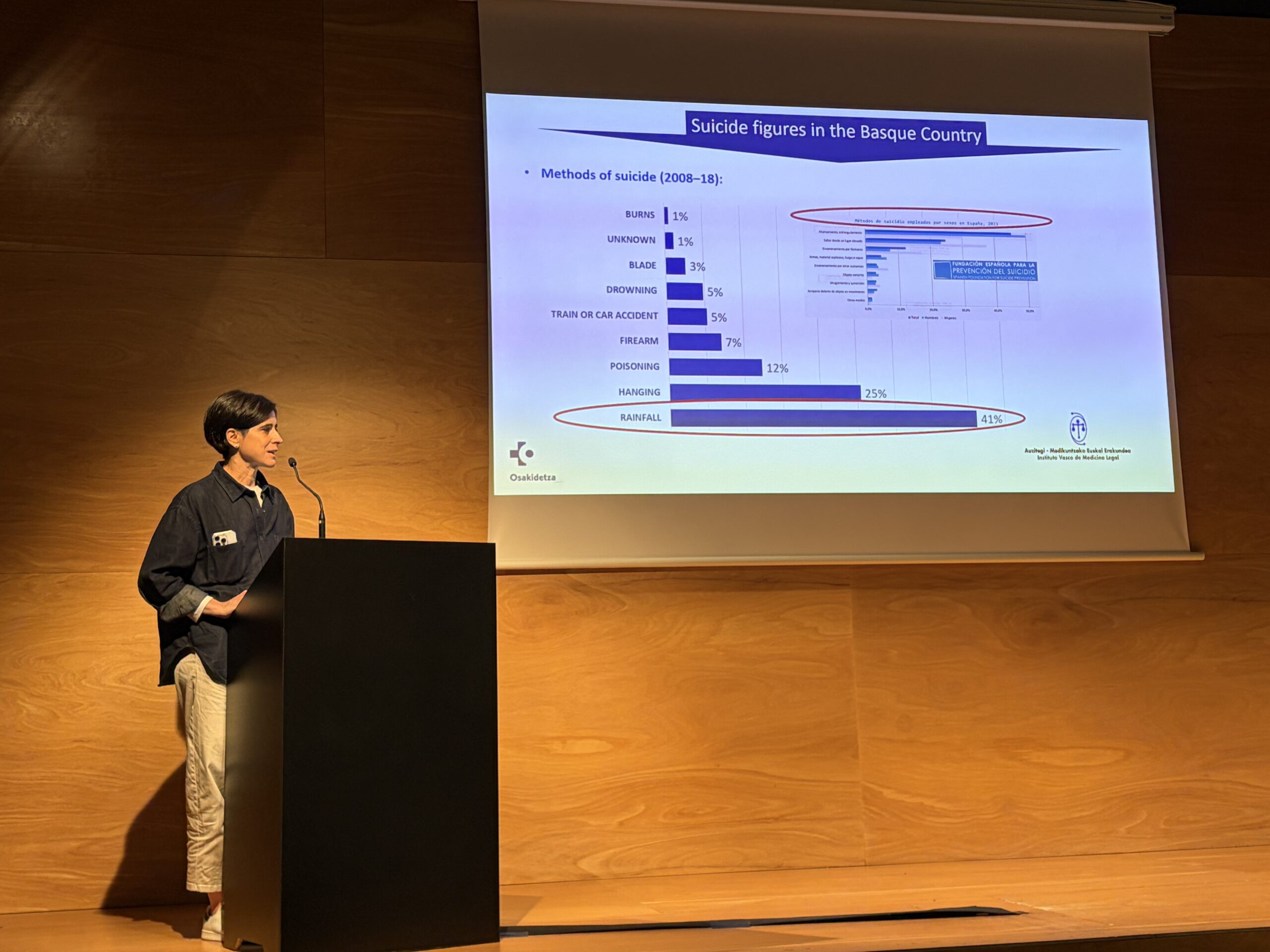
During the two days, professionals from Osakidetza, Euskal Herriko Unibertsitatea (EHU) and MLAKOOP shared the journey that led to the creation and implementation of the BIZI programme, available through Osasun Eskola +. The sessions served to discuss how to adapt this model to different European contexts, promoting the exchange of learning to strengthen suicide prevention from a community perspective.
BIZI – a promising European practice in mental health
The BIZI programme, recognised by the European Commission as a promising practice in mental health, is an online training course on suicide prevention launched in 2022. Since then, nearly 3,700 people have completed the course, which is designed to provide information and tools to professionals and individuals who are in regular contact with vulnerable groups. Its aim is to facilitate the early detection of risk signs, provide initial support and refer people to specialist resources.
Developed by Osakidetza and the Department of Health within the framework of the 2019 Suicide Prevention Strategy, the programme follows the gatekeeper model, which trains strategically placed individuals—such as social service professionals, community pharmacies, associations, and helplines—to intervene early and effectively. It is a bilingual, interactive, and free theoretical and practical training course with downloadable materials and a set of case studies that help transfer knowledge to real-life situations.
Thank you to all the speakers Iratxe Salcedo, Andrea Gabilondo, Alexander Muela, Andrea de Sayas Gallo and Judit Ruiz de Munain Bedia for your valuable inputs.
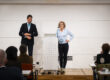
A few photos from the study trip: