Reflecting on Vulnerability in JA PRISM: Introducing Our First Community of Practice
JA PRISM’s first Community of Practice marked the beginning of an important cross-project dialogue on how we understand vulnerability in mental health. By bringing together partners and people with lived experience, the session created a shared space for reflection, learning, and strengthening more equitable and sustainable approaches across the project.
An essential ambition in JA PRISM is to ensure that everyone has the right to accessible, high‑quality mental health care. To achieve this, the project places strong emphasis on sustainability and on the meaningful, equal involvement of vulnerable groups from the very beginning.
But in a large and diverse EU Joint Action, a key question naturally arises: Who are we actually talking about when we refer to “vulnerable groups”?
This question has been central to PRISM long before the project received funding. Partners engaged in extensive conversations about how vulnerability should be understood — and whether the term itself is even the right one. Some argue that people are not inherently vulnerable, but rather exposed to vulnerable conditions or structural inequalities. Others highlight the strengths, resources, and resilience that individuals and communities bring with them. These reflections remind us that concepts matter, because the words we choose shape both our understanding and our actions.
A Shared Learning Space: Community of Practice #1
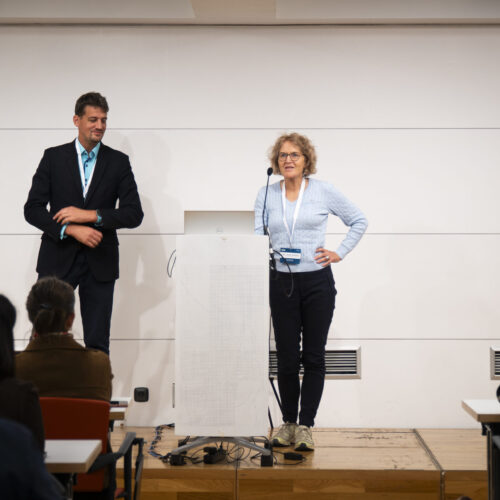
On 2 June 2026, JA PRISM’s Sustainability WP hosted the first ‘Community of Practice’. This session brought together partners across work packages to explore how we define and work with the concept of vulnerability within the project.
The Community of Practice serves as a shared learning space — a place to deepen our understanding, exchange perspectives, and reflect collectively. It will also open an important dialogue on how different work packages engage with their target groups, and how people with lived experience perceive and describe their own situations.
We believe it is valuable to elaborate on the target groups in JA PRISMs implementation of BIZI, Circle of Friends and ABC and to explore what vulnerability means in this specific context. Doing so allows for a broader and more nuanced understanding, creating space for deeper reflection and more inclusive practices.
Towards a More Nuanced Understanding
Throughout the years of JA PRISM, our understanding of vulnerability may evolve — perhaps even to the point where the term itself is reconsidered. A person is never only vulnerable; people can also be resilient, resourceful, capable, and empowered. Recognising this dynamic interplay helps us move away from fixed labels and towards a more holistic view of human experience.
This broader perspective aligns closely with our work on sustainability and with the practice of detterism (working from what is). Understanding vulnerability as multifaceted strengthens our ability to work sustainably with mental health issues including people, environments, and systems.
For this reason, presenting the different groups represented in PRISM’s technical work packages was an important part of the session. People with lived experience, together with representatives from WP5, WP6, and WP7, shared insights into how their work engages with specific communities and needs.
Strengthening Equity Through Meaningful Involvement
A core ambition in JA PRISM is to strengthen equity by ensuring that people with lived experience are actively involved in the processes, decisions, and initiatives that affect them. The Community of Practice aims to support this ambition by fostering dialogue, shared reflection, and a stronger common understanding across the consortium.
– Written by Lene Berring, WP4 Co-Lead
Region Zealand, Denmark